We’ve spent 25+ years – running parts of eBay, Mozilla, and Google, then working with hundreds of companies from startups to the Fortune 100 – learning what separates the ones that break from the ones that get stronger. We build that into your team. Keynotes, workshops, and advisory for people who actually have to do something on Tuesday.
What We Do.

Keynotes & Workshops.
Keynotes for audiences who’ve already heard the standard innovation talk. Frameworks the room hasn’t seen, real stories from inside the companies you’d recognize, and concrete next steps for the people who actually have to do something on Tuesday.
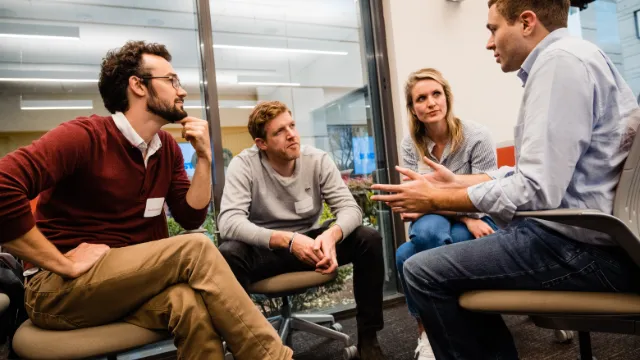
Organizational Training.
Multi-day programs for leadership teams that want to do more than nod along. Structural principles, operational practices, real cases from your industry. Stop playing defense. Start building muscle.